Acne Scar Treatment
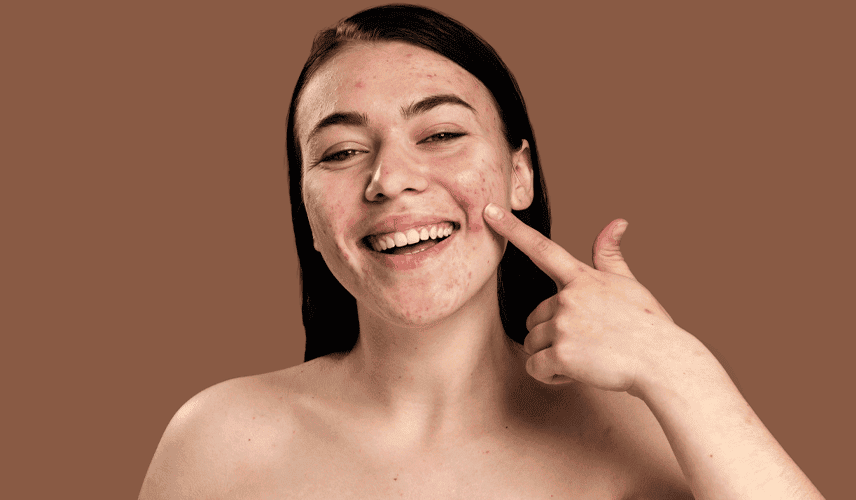
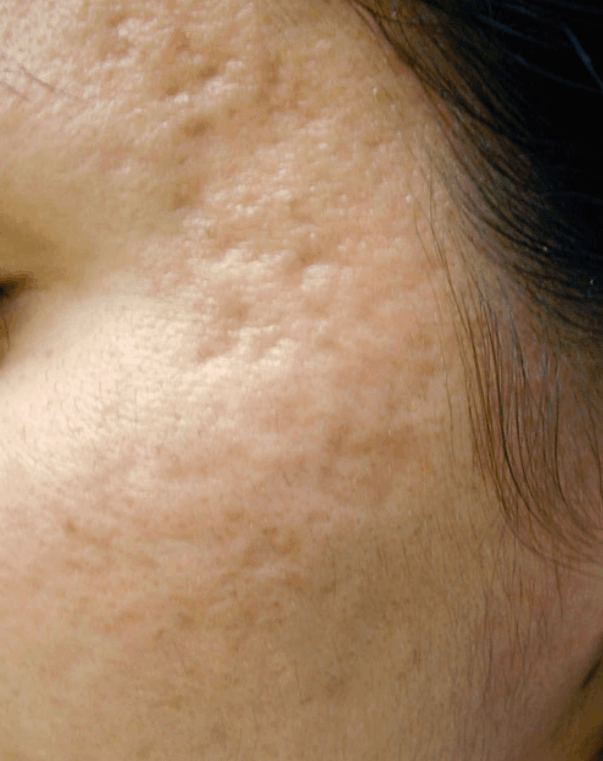
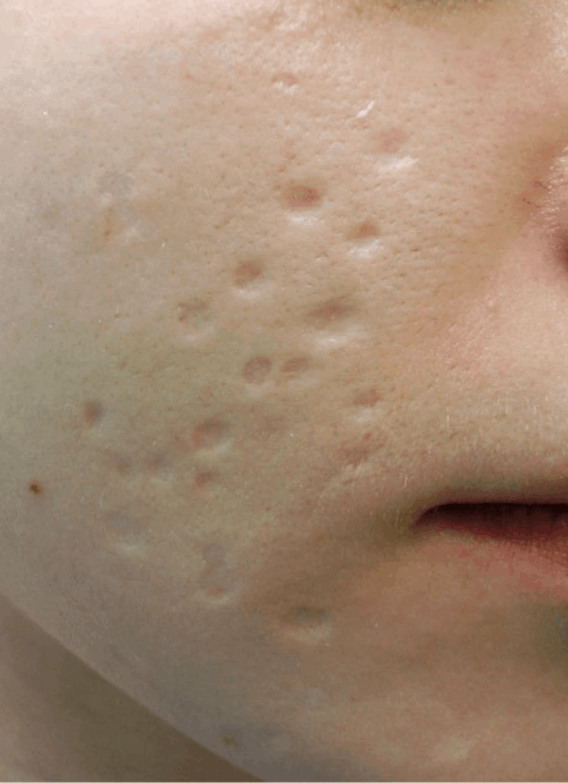
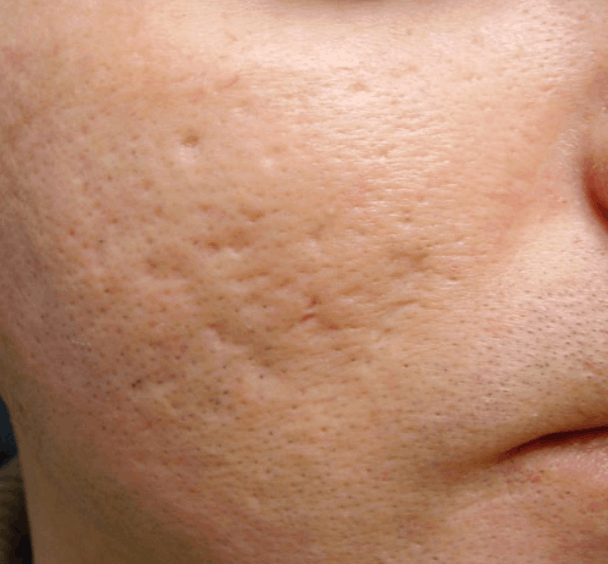
Acne scars are one of the most common concerns we treat. These are typically atrophic (indented) and fall into three main types:
Ice Pick Scars: Deep, narrow, and pitted scars
Boxcar Scars: Wide and shallow with defined edges
Rolling Scars: Soft depressions with sloping edges
Treatment Options
We offer specialized protocols for atrophic (depressed) acne scars including:
TCA CROSS
Chemical reconstruction for deep ice-pick scars.
Subcision
Releases tethered scars beneath the skin.
Collagen-Stimulating Filler
Long-term volume correction.
Halo™ & Profractional Lasers
Resurfacing to improve skin texture and tone.
RF Microneedling
Stimulates collagen and tightens the skin.
Punch Excision
Surgical removal of scar tissue.
Best For:
Ice pick
boxcar
rolling and atrophic scars
Plan:
3–5 sessions
Spaced 4–6 weeks apart
Annual maintenance sessions may be recommended depending on results and scar severity.
Advanced Acne Scar Treatment in Toronto and Richmond Hill
At Canada Scar Clinic , we provide highly specialized acne scar treatment in Toronto and acne scar removal in Richmond Hill, using clinically proven and cutting-edge techniques. Acne scars often remain long after breakouts disappear, leaving behind uneven skin texture and visible indentations. Our treatments are designed to target and heal these scars from the inside out.Patients looking for comprehensive scar treatment options can also visit our Scar Treatment in Richmond Hill page to learn about combined treatment approaches and personalized care plans.
Patients in the Greater Toronto Area trust our expertise in handling atrophic acne scars, which include TCA Cross ice pick scars in Richmond Hill , boxcar, and rolling types. We evaluate each scar pattern carefully to design a personalized treatment protocol that addresses both the depth and spread of scarring.
Understanding Acne Scars: Types and Challenges
Acne scarring can be emotionally distressing, especially when it doesn't respond to home remedies or over-the-counter solutions. Identifying the type of scar is crucial:
Ice Pick Scars are deep and narrow and typically require TCA CROSS, a high-strength acid technique that targets deep scar walls.
Rolling Scars are shallow depressions with smooth edges. Our clinic treats these effectively using subcision to release the scar's fibrotic tethers.
Comprehensive Acne Scar Removal Strategies
Every acne scar type requires a different approach. At Canada Scar Clinic, we combine several proven treatments to achieve optimal results:
TCA CROSS for Deep Ice Pick Scars
Our TCA CROSS technique applies high concentrations of trichloroacetic acid directly into ice pick scars. This controlled injury stimulates collagen production and fills the indentation over time.
Subcision for Rolling Scars
Subcision in Richmond Hill is a minor surgical technique used to break fibrous bands pulling the skin downward. This treatment is particularly effective for rolling scars and can be enhanced by adding dermal fillers for volume support.
RF Microneedling for Skin Remodeling
RF Fractional Microneedling combines micro-injuries with radiofrequency energy to stimulate deep collagen remodeling. This is ideal for scarred skin that lacks elasticity or uniform texture.
Dermal Fillers for Volume Restoration
Using long-lasting fillers like Revanesse, BellaFill, and Sculptra, we target deeper atrophic scars that benefit from volume restoration.
Punch Excision for Isolated Scars
For isolated boxcar or deep narrow scars, punch excision removes scar tissue altogether and replaces it with a fine-line surgical closure that heals more predictably.
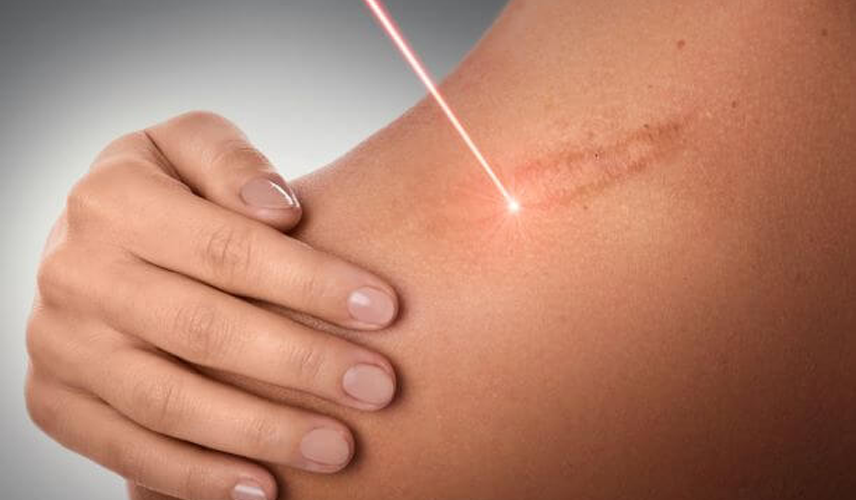
Laser Resurfacing and Halo Laser
Laser-based resurfacing improves skin texture and pigmentation. We often recommend laser scar removal in Richmond Hill for patients who require more intensive resurfacing to even out tone and scar depth.
Additional Options: Chemical Peels and Combination Therapy
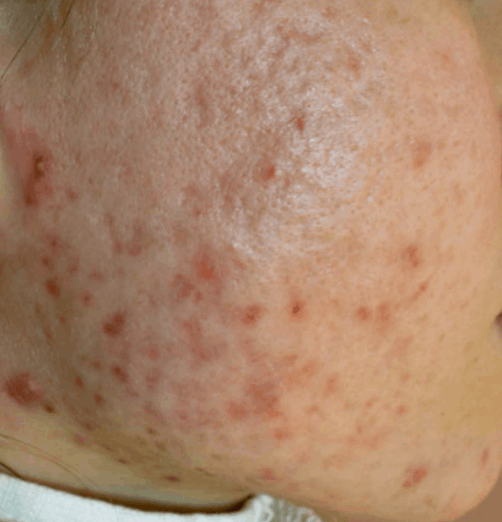
For post-inflammatory hyperpigmentation (PIH) or surface-level acne scars, our chemical peels can help brighten and refine skin appearance. These are often integrated with microneedling or subcision in a phased protocol.
Treatment depends on scar type. Ice-pick scars often respond to TCA CROSS or punch excision, rolling scars improve with subcision (sometimes combined with RF microneedling or laser), and boxcar scars are treated with laser, punch techniques, or fillers. For mixed scars, a combination plan with peels and sun protection usually works best.
Most treatments are done in a series. TCA CROSS is repeated every 4–6 weeks for several sessions, subcision may be 1–3 sessions a month apart, and RF microneedling or fractional laser is typically 3–5 sessions spaced 4–6 weeks. Chemical peels are monthly, while fillers often require just one session, lasting 6–18 months.
Downtime varies. Laser and RF treatments cause redness or swelling for 1–3 days; TCA CROSS leaves tiny scabs for 5–7 days; subcision may cause bruising for a few days; punch excision needs about a week for stitches; chemical peels cause light flaking for 3–7 days; and fillers usually settle within 1–2 days.
Acne scar treatment should begin once active acne is controlled. Red or brown marks often improve first with peels and SPF. Indented scars are usually treated after the skin has been stable for a few months, and recent isotretinoin use may require waiting longer.
Most effects are mild and temporary, such as redness, swelling, bruising, or scabbing. Less common issues include pigmentation changes, small linear scars from punch techniques, or filler irregularities. Careful technique and proper aftercare minimize these risks.
It’s best if breakouts are under control first. Treating ongoing acne and inflammation helps prevent new scars and lets our scar therapies work more predictably. If needed, we’ll coordinate a simple acne-calming plan before or alongside your scar sessions.
No treatment can erase scars entirely, but we can significantly reduce indentation depth, smooth texture, and even skin tone. Most patients see steady improvement over 3–5 sessions spaced 4–6 weeks apart, with optional maintenance for deeper scars.
Yes. We tailor energy settings, use staged treatment (e.g., subcision or TCA CROSS on targeted areas), and add sun protection plus brightening skincare to minimize postinflammatory hyperpigmentation (PIH). Test spots may be used for extra caution.
Discomfort is usually mild. We use topical numbing, cooling, and — when needed — small amounts of local anesthetic (e.g., for subcision). Expect temporary redness or tenderness for 1–3 days; most clients resume normal activities the same or next day.
Acne Scar Reduction Results: What to Expect
Our approach to acne scar reduction in Toronto involves 3 to 5 sessions spaced 4–6 weeks apart. Some patients with deeper scarring may require more treatments or annual maintenance.
You can expect steady improvement in:
Pigmentation irregularities
Why Patients Choose Us for Acne Scar Treatment in Richmond Hill and Toronto
Acne scars are complex and often need more than one approach. At Canada Scar Clinic, we specialize in combining evidence-based techniques and advanced technologies to create tailored treatment plans that target each scar type safely and effectively.
What makes us different:
Expert team in scar revision and cosmetic dermatology
Use of combination protocols for superior results
Cutting-edge tools like RF microneedling and Halo lasers
Safe and proven products including TCA, fillers, and fractional lasers
Integrated Scar Treatment Options
In addition to acne scars, you may also experience other types of scarring. We provide related treatments such as:
Get Started with a Personalized Acne Scar Consultation
Scars don’t have to be permanent. At Canada Scar Clinic, we serve patients across Toronto and Richmond Hill, offering advanced options such as microneedling, chemical peels, and fractional laser treatments. Our approach is patient-first, evidence-based, and focused on measurable results.
Contact us today to book your consultation and let our team create a customized treatment plan for your skin’s unique needs.